

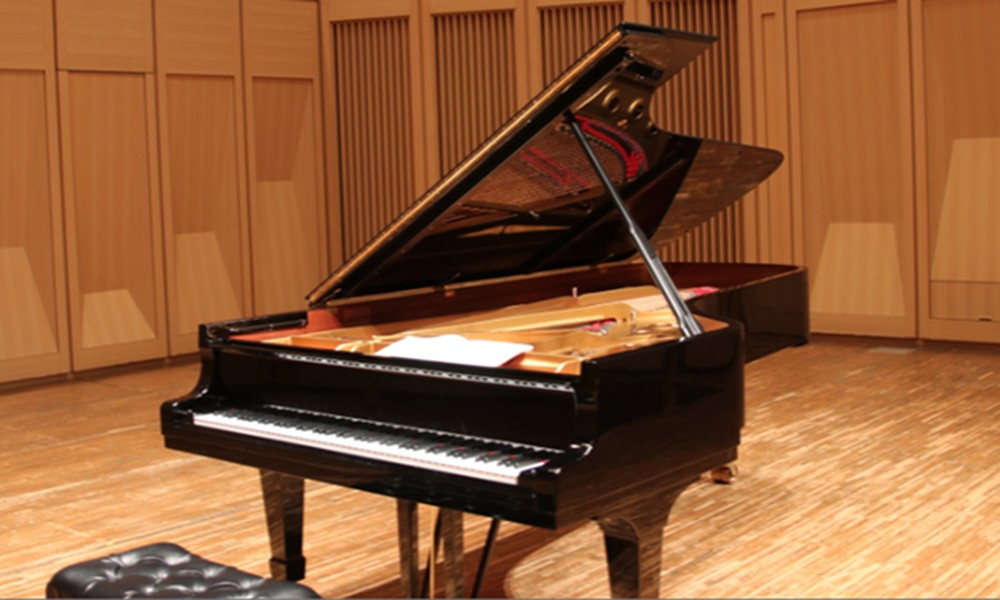
Pianos aren’t just heavy-they’re awkwardly heavy, delicate in the wrong places, and often positioned in homes that were never designed with a 500-1,200 lb instrument in mind. Add tight hallways, stairs, hardwood floors, and unpredictable weather, and suddenly “just move it” becomes a serious logistical project.
Below are six common piano types and the unique moving challenges each one brings-so you can understand what’s involved before scheduling a relocation, sale, renovation, or long-distance transport.
1) Spinet Piano: Small Frame, Sneaky Fragility
Spinets are among the smallest vertical pianos, often chosen for compact spaces. Their size can make people assume they’re “easy” to move-until the real issues show up.
Moving challenges:
- Delicate action design: Many spinets use a compact internal mechanism that can be more sensitive to jolts and vibration.
- Older construction: Spinets are frequently older instruments; weakened glue joints or aging wood can make them less tolerant of twisting.
- Deceptive weight distribution: They may be shorter, but they’re still dense, and the center of mass can shift unpredictably when tilted.
Key takeaway: Even “small” pianos need controlled lifting, stable strapping, and careful handling through door thresholds.
2) Console Piano: Heavier Than It Looks
Console pianos are a step up in size from spinets and often have better sound and build quality. That usually means more weight and sturdier components-great for music, challenging for moving.
Moving challenges:
- Bulkier cabinet dimensions: Consoles may be too wide for tight turns, especially in narrow entryways or older homes.
- Floor protection needs: Their weight can dent hardwood floors if rolled improperly or if protective materials aren’t used.
- Door clearance issues: The difference between a clean move and a stuck piano can be half an inch.
Key takeaway: Consoles require precise measuring and a plan for corners, thresholds, and flooring from start to finish.
3) Studio Upright: The Staircase Stress Test
Studio uprights are common in schools, studios, churches, and serious home setups. They’re taller, heavier, and built to project sound-meaning they’re built like tanks.
Moving challenges:
- High weight and tall profile: A studio upright can be extremely top-heavy, especially on staircases.
- Stair landings and turns: The height makes it harder to pivot safely on tight landings without scuffing walls or risking tip-over.
- Grip and control: The cabinet can be hard to hold securely without proper equipment and technique.
Key takeaway: Studio uprights are one of the most difficult vertical pianos to move safely-especially with stairs involved.
4) Traditional Upright (Full-Size Upright): Tight Spaces, Big Risk
Full-size uprights can be impressive instruments-often tall, resonant, and heavy. They’re also one of the easiest pianos to damage during a move if the path isn’t planned.
Moving challenges:
- Tight hallways and door frames: Their height and depth create clearance problems, particularly in older homes.
- Wall and trim damage potential: A slight tilt can scrape door frames or crush baseboards.
- Internal shifting: Sudden drops or uneven rolling can jar internal components, potentially affecting regulation or causing noise issues afterward.
Key takeaway: Uprights demand controlled movement, proper padding, and a deliberate pace-especially through narrow passages.
5) Baby Grand: Shape Problems, Not Just Weight
Baby grands look elegant, but their shape is what makes them tricky. Even if a baby grand weighs less than a large grand, it often requires more strategy to maneuver.
Moving challenges:
- Disassembly and reassembly: Legs and pedals must be removed, and the piano must be supported correctly while transitioning onto a skid board.
- Awkward footprint: The curved side and width complicate turns through hallways and doorways.
- Lid and rim vulnerability: Scratches, dings, and pressure points can damage the finish or even the structural rim.
Key takeaway: Baby grands typically require partial disassembly, specialized boards, and careful balancing to protect both the instrument and the home.
6) Grand Piano (Medium to Concert): The Heavyweight Logistics Project
As grands get larger, everything gets harder: weight, size, clearance, and risk. These are the moves where planning matters most-especially when stairs, long carries, or truck loading are involved.
Moving challenges:
- Extreme weight: Larger grands can exceed 1,000 lbs and require coordinated handling and specialized loading methods.
- Length and turning radius: Even wide hallways can become impossible if the turn angles don’t work.
- Transport stability: Larger grands must be secured properly to prevent shifting, vibration damage, or pressure on sensitive areas.
- Environmental exposure: Cold, heat, and humidity swings during transport can stress the instrument, especially in longer moves.
Key takeaway: Bigger grands aren’t “just bigger baby grands.” They’re often a completely different level of move, requiring more people, more equipment, and more planning.
The Real Difference: Planning + Equipment + Path
Across all piano types, the most common causes of damage are surprisingly consistent:
- Rushing through corners and doorways
- Underestimating stairs and landings
- Skipping floor and wall protection
- Using improper straps/dollies
- Not measuring clearance (doors, railings, turns)
If you’re researching piano moving NY for an upcoming relocation, focus on providers who talk about process-measurement, protection, equipment, and handling strategy-not just “we move pianos.”
After the Move: Don’t Forget the “Settle + Tune” Window
Even a perfect move can shift a piano slightly due to vibration and environmental changes. A good rule of thumb is to let the piano settle in its new space (often 1-3 weeks, depending on season and HVAC conditions) and then schedule a tuning if needed.
Bottom line: Each piano type has its own set of challenges, but the outcome depends on planning and execution. Understand your piano’s category, identify your home’s obstacles, and treat the move like the specialized job it is.