

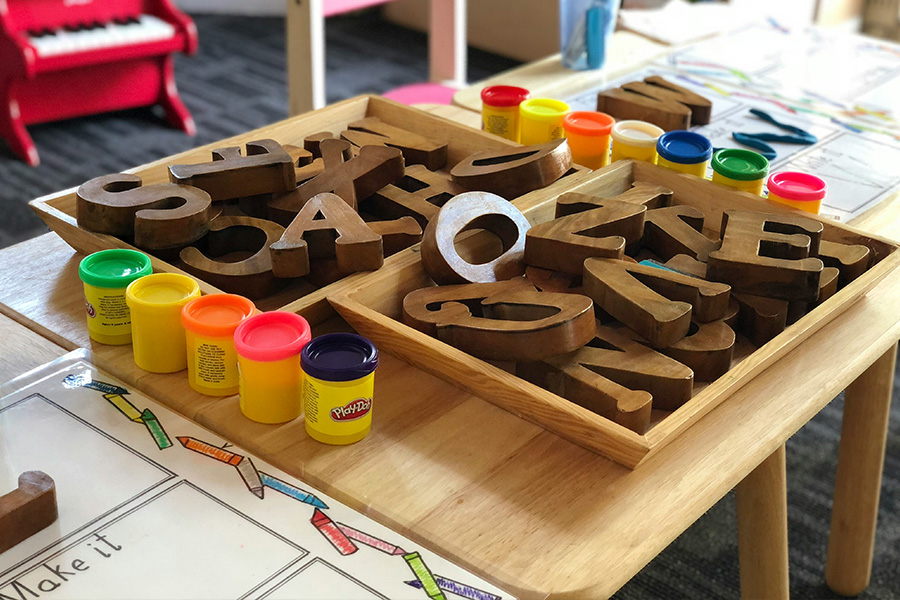
Kindergarten is about so much more than childcare. It’s where children begin to understand the world beyond home, develop early friendships, and gain confidence in themselves as independent little people. For many families, it’s a big milestone. It can feel exciting, emotional, and sometimes a little daunting, especially if it’s your child’s first regular routine outside the home.
The good news is that with the right support, kindergarten can be a genuinely wonderful experience. Children learn through play, they build communication skills naturally, and they often grow in confidence far quicker than parents expect.
If you’re preparing for this next step, or you’re already in the first few weeks and wondering how to make it easier, here’s a practical guide to what helps children thrive in kindergarten and what parents can do to support them along the way.
Why kindergarten is such an important stage
The early years are a period of rapid growth. Children are constantly learning, not just in obvious ways (like counting or recognising colours), but in deeper ways too, such as managing emotions, understanding boundaries, and building relationships.
A positive kindergarten experience supports:
- confidence and independence
- language development and communication
- social skills like sharing, turn-taking, and empathy
- curiosity, creativity, and imagination
- early problem-solving and resilience
- healthy routines around food, rest, and movement
It’s a foundation stage, and when it’s done well, it sets children up to feel capable and excited about learning.
1. A sense of safety comes first
Before children can engage, learn, or make friends, they need to feel safe. This isn’t only about physical safety, it’s about emotional security too.
When children feel emotionally safe, they’re more likely to:
- explore new activities
- approach staff for help
- try again after finding something difficult
- cope better with change or unfamiliar situations
This is why warm, consistent relationships with nursery staff matter so much. A familiar key person who knows your child’s personality, comfort habits, and preferences can make the day feel predictable and reassuring.
As a parent, you can help by keeping your drop-offs calm and consistent. Even if you feel emotional inside, your child will take confidence from your steady goodbye and your trust in the setting.
2. Confidence grows through small acts of independence
Independence isn’t something children suddenly “have”. It’s built day by day.
At kindergarten, independence might look like:
- hanging up a coat
- choosing an activity
- washing hands without reminders
- asking for help
- attempting a puzzle even if it’s tricky
- tidying away before moving on
These moments matter because they send a message to the child: I can do things for myself.
At home, you can support this by slowing down a little where you can and allowing your child to try. Even if it takes longer to put shoes on, it’s building confidence. Praise effort, not perfection, and your child will be more willing to have a go in other areas too.
3. Social skills take practice (and patience)
A lot of parents worry about friendships, but it’s worth remembering that early friendships are fluid. Children can play happily with one child one day and a different child the next. That’s normal, and it’s part of learning how to socialise.
In kindergarten, children practise:
- sharing resources
- waiting their turn
- using words instead of grabbing
- reading facial expressions and tone
- negotiating roles in imaginative games
- repairing small conflicts
These are big skills, and they don’t appear overnight. A strong setting will support children gently through social moments, rather than expecting them to manage everything alone.
At home, one of the best things you can do is talk about emotions in a simple way:
“I can see you felt frustrated when you couldn’t have the toy.”
“That was kind of you to share.”
“It’s okay to feel upset, we can take a breath.”
That emotional language helps children communicate better when they’re with others.
4. Learning through play is powerful learning
Children learn best when they’re engaged and enjoying themselves. Play-based learning supports brain development in ways that can be hard to see, but incredibly important.
Through play, children develop:
- early maths skills (sorting, patterns, counting)
- early literacy skills (stories, symbols, imaginative language)
- fine motor control (cutting, drawing, building)
- coordination and body confidence (movement and outdoor play)
- creativity and problem-solving (trial and error)
When children are given the right balance of freedom and support, learning happens naturally, and they build a positive relationship with it.
5. The first few weeks can be tiring (even if it’s going well)
A child can be happy at kindergarten and still come home exhausted. That’s because adapting to a new environment takes a lot of energy. Even the happiest children might show big emotions after a busy day.
You might notice:
- early bedtimes
- extra clinginess
- more tears or irritability in the evening
- changes in appetite
- wanting quiet time rather than lots of questions
This is normal. Think of it as decompression. Home is their safe place to release feelings.
To support this phase, keep evenings simple. A snack, a bath, a story, and an early night often works better than trying to squeeze in too much.
6. Choosing the right setting makes all the difference
A nurturing setting that prioritises emotional wellbeing, consistent care, and meaningful learning experiences creates an environment where children can truly flourish.
When exploring options, look for:
- warm staff interactions and calm boundaries
- clear routines that support children’s confidence
- a balance of play, learning, and outdoor activity
- communication that keeps parents reassured and involved
- a setting that treats every child as an individual
If you’d like to learn more about a supportive early years environment, you can visit knightsbridge kindergarten for more information.