

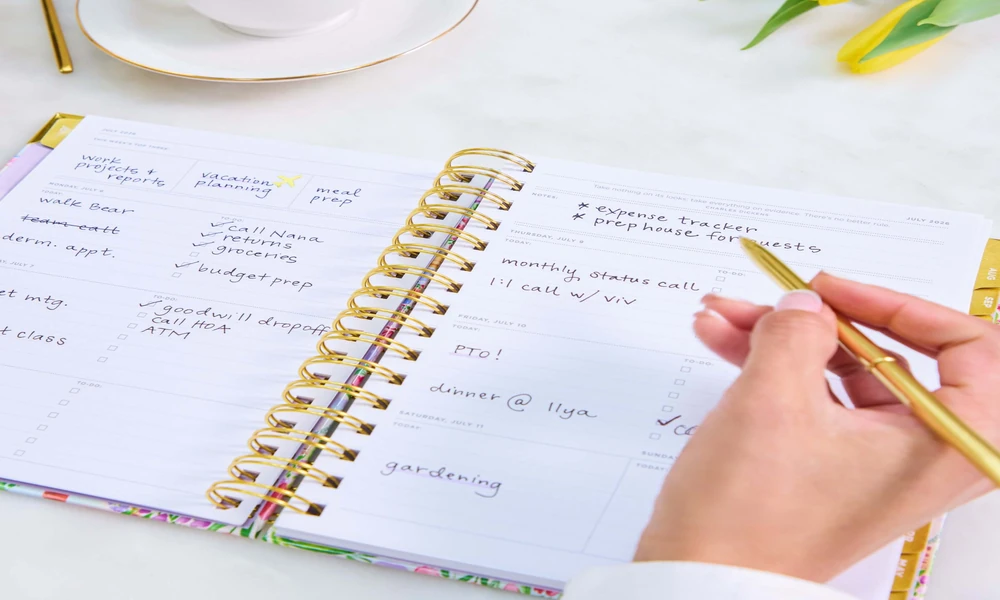
Planning a school year sounds easy at first. You know when classes start, when exams come, and when the holidays begin. But once you start adding homework, projects, school events, college applications, and graduation plans, the calendar can become confusing very quickly.
That is why academic planning is helpful for both students and parents. It does not have to be complicated. A simple plan can help you stay ahead, avoid last-minute stress, and understand what is coming next in the school journey.
Whether you are planning for high school, college, or your child’s future graduation, keeping track of important dates can make everything feel more organized.
Why Academic Planning Matters
School life moves faster than many people expect. One moment a student is starting a new grade, and soon they are preparing for exams, choosing subjects, applying for college, or getting ready for graduation.
Good planning helps students manage their time better. It also helps parents support their children without feeling rushed. When you know the important dates in advance, you can prepare for them calmly.
For example, parents may want to know when their child will finish high school. Students may want to know how much time they have before final exams. Families may also need to plan travel, celebrations, school breaks, or application deadlines.
A clear academic timeline makes all of this easier.
Start With the Big Milestones
The first step is to look at the bigger picture. Instead of only thinking about this week’s homework or next month’s test, think about the main school milestones.
These may include:
- Starting a new grade
- Moving from middle school to high school
- Taking final exams
- Applying for college
- Finishing high school
- Starting university or career training
- Graduation day
When you know the big milestones, it becomes easier to plan the smaller steps around them.
For parents, one useful starting point is to figure out the expected graduation year. This can be especially helpful when planning ahead for high school, college savings, or future education goals. You can use a simple tool to see when a student is likely to finish school based on their current grade or age.
This gives you a better idea of the long-term timeline without doing the math manually.
Break the School Year Into Smaller Parts
A full academic year can feel long, but it becomes easier when you divide it into smaller sections. You can break it down by months, terms, semesters, or exam periods.
For example, a student can plan the year like this:
- First month: adjust to the new grade and understand the subjects
- Middle of the term: focus on assignments and class tests
- Before exams: revise important topics and practice past questions
- After exams: review results and improve weak areas
- End of the year: prepare for the next grade or graduation step
This kind of planning keeps students from waiting until the last moment. It also helps them build better study habits.
Keep Track of Important Dates
Dates are a big part of school planning. Missing one deadline can create stress, especially when it involves exams, applications, or important school forms.
Students and parents should keep a list of important academic dates, such as:
- First day of school
- Exam dates
- Project deadlines
- School holidays
- Application deadlines
- Graduation ceremony
- Parent-teacher meetings
- College or university admission dates
Once these dates are written down, it becomes easier to plan around them. You can also count how much time is left before an important event. For example, if a student has 45 days before exams, they can divide their study plan across those weeks.
When you need to check how much time is between two school events, this tool can help you work out the gap between important dates in days, weeks, or months.
This is useful for exam preparation, holiday planning, graduation countdowns, and application timelines.
Make a Simple Graduation Plan
Graduation may feel far away, but it comes sooner than expected. A graduation plan does not need to be detailed from the beginning. It just needs to give students and parents a clear direction.
A simple graduation plan can include:
- The expected graduation year
- The subjects or courses needed
- Important exams before graduation
- College or career options
- Application dates
- A rough timeline for final-year preparation
For younger students, this plan can be very basic. For high school students, it should be more detailed because graduation is closer and decisions become more important.
Knowing the expected graduation year also helps families prepare emotionally and financially. They can plan for college visits, senior photos, graduation parties, and future education costs without feeling surprised at the last minute.
Use Countdowns to Stay Motivated
Countdowns can make academic goals feel more real. When students know there are 100 days until exams or 6 months until graduation, they are more likely to take action.
A countdown can be used for:
- Final exams
- Graduation day
- College application deadlines
- School holidays
- Project submission dates
- The first day of a new grade
However, the goal is not to create pressure. The goal is to create awareness. A countdown reminds students that time is moving and helps them use it wisely.
Parents can also use countdowns in a positive way. Instead of saying, “You are running out of time,” they can say, “You still have enough time if you start now.”
That small change can make planning feel less stressful.
Review the Plan Every Few Months
Academic plans should not stay the same forever. School schedules change, students improve, interests shift, and new deadlines appear. That is why it is helpful to review the plan every few months.
Ask simple questions like:
Are the important dates still correct?
Is the student on track?
Are there any new deadlines?
Does the study plan need to change?
Is graduation closer than we expected?
A short review can prevent bigger problems later. It also helps students take responsibility for their own time.
Final Thoughts
Academic planning does not need to be difficult. The main idea is simple: know the important dates, understand the bigger milestones, and give yourself enough time to prepare.
For students, this means less stress and better focus. For parents, it means better support and fewer surprises. Whether you are counting the days until exams or thinking about a future graduation year, a little planning can make the whole school journey smoother.
The earlier you start, the easier it becomes to stay organized. A clear timeline gives students confidence, helps parents plan ahead, and turns big academic goals into smaller steps that feel easier to manage.