

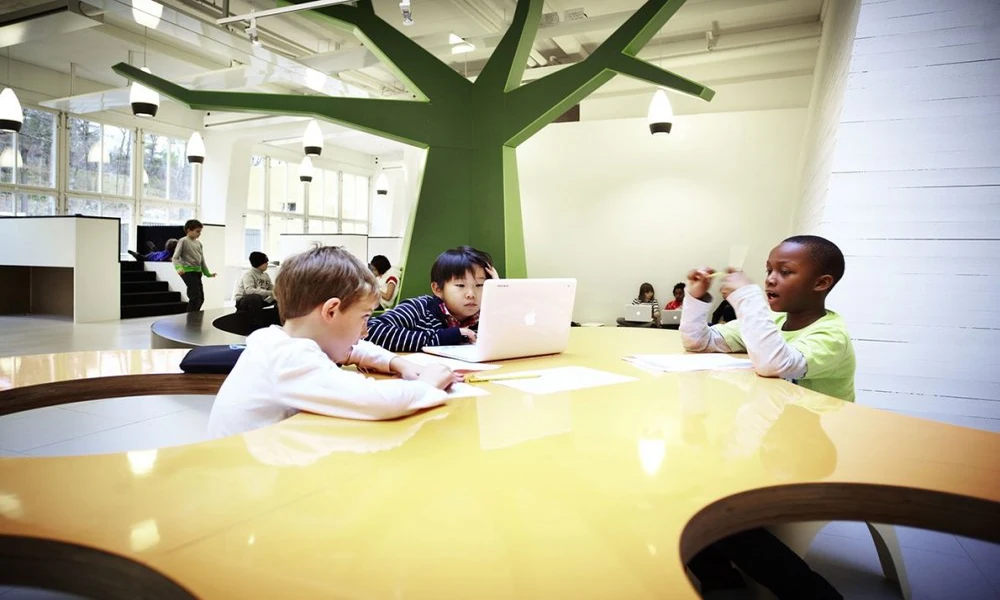
The environment in which students learn has a direct influence on their ability to stay engaged throughout the school day. While curriculum and teaching methods remain central to academic success, physical classroom conditions also shape concentration, participation, and comfort. Factors such as noise levels, seating arrangements, air quality, and lighting work together to create a space where students can learn more effectively. Among these elements, well-designed lighting is especially important because it supports both visual comfort and classroom productivity.
Why the Learning Environment Matters
Students spend several hours each day reading, writing, viewing presentations, and participating in collaborative activities. If the classroom environment is uncomfortable, maintaining attention can become more challenging over time.
Thoughtfully planned classroom lighting helps create an environment where students can clearly see instructional materials without unnecessary glare or uneven brightness. Comfortable lighting also contributes to a more welcoming atmosphere, allowing learners to remain focused on lessons rather than being distracted by visual discomfort.
Schools seeking practical ideas for improving educational environments can explore the classroom lighting resources available through Make Great Light, which provide information on creating spaces that better support both students and educators.
How Visual Comfort Supports Concentration
Visual comfort allows students to move naturally between textbooks, notebooks, interactive displays, and classroom discussions without placing unnecessary strain on their eyes. Even illumination across the room reduces harsh contrasts between bright and dark areas, making it easier to concentrate during extended learning sessions.
Natural daylight can further improve the classroom experience when it is properly managed. Combining daylight with balanced artificial lighting creates an environment that remains comfortable throughout different times of the day while supporting a variety of learning activities.
Teachers also benefit from improved visibility, allowing them to present lessons clearly and interact more effectively with students across the classroom.
Simple Improvements for Better Learning Spaces
Small adjustments can significantly improve classroom comfort without requiring major renovations. Rearranging desks to reduce glare on work surfaces, ensuring light fixtures distribute illumination evenly, and maintaining clean lighting equipment all contribute to a more effective learning environment.
Another practical solution involves the use of classroom light filters, which help soften overly bright fluorescent lighting and reduce harsh glare. These filters can create a calmer atmosphere while improving visual comfort for students who may be sensitive to intense indoor lighting.
Schools can also evaluate lighting layouts periodically to ensure classrooms continue meeting the needs of modern teaching methods and educational technology.
Flexible Spaces Support Different Teaching Methods
Today’s classrooms accommodate a wide range of instructional approaches, including lectures, independent study, group projects, presentations, and technology-assisted learning. Lighting should be flexible enough to support each of these activities.
Adjustable lighting systems or layered lighting designs allow educators to modify illumination based on classroom needs. For example, brighter settings may benefit writing exercises, while softer lighting may create a more comfortable environment during multimedia presentations or reading sessions.
This adaptability supports both teaching effectiveness and student engagement throughout the school day.
Supporting Positive Learning Experiences
Creating an effective educational space requires attention to both instructional quality and physical comfort. Appropriate lighting, balanced brightness, and practical solutions such as classroom lighting improvements contribute to a learning environment where students can remain attentive and teachers can deliver lessons more effectively. By investing in thoughtful classroom design, schools create spaces that encourage concentration, improve classroom experiences, and support positive educational outcomes for learners of all ages.