

Thinking about a career at sea? Whether you dream of crewing a superyacht in the Mediterranean, working hospitality on a cruise ship, or joining the merchant navy, there is one requirement you will run into before you ever step on board: STCW training. For newcomers, the acronym can be confusing, so let’s break down what it means, why it exists, and how you can get certified.
The convention behind the acronym
STCW stands for Standards of Training, Certification and Watchkeeping for Seafarers. It is an international convention adopted by the International Maritime Organization (IMO) in 1978 and significantly updated since, most notably through the 2010 Manila amendments. The idea is simple but powerful: no matter where in the world a seafarer is trained, they should meet the same minimum standards of safety and competence.
Before the convention existed, training requirements varied wildly from country to country, which created real safety risks on internationally crewed vessels. Today, an approved certificate is recognized by shipping companies and flag states across the globe, which is exactly what makes an international maritime career possible.
What does the training cover?
STCW is not a single course but a framework of certifications. The foundation is basic safety training, which covers personal survival techniques, fire prevention and firefighting, elementary first aid, and personal safety and social responsibilities. Depending on your role and vessel type, additional modules come into play, such as security awareness, crowd management for passenger ships, or crisis management and human behavior.
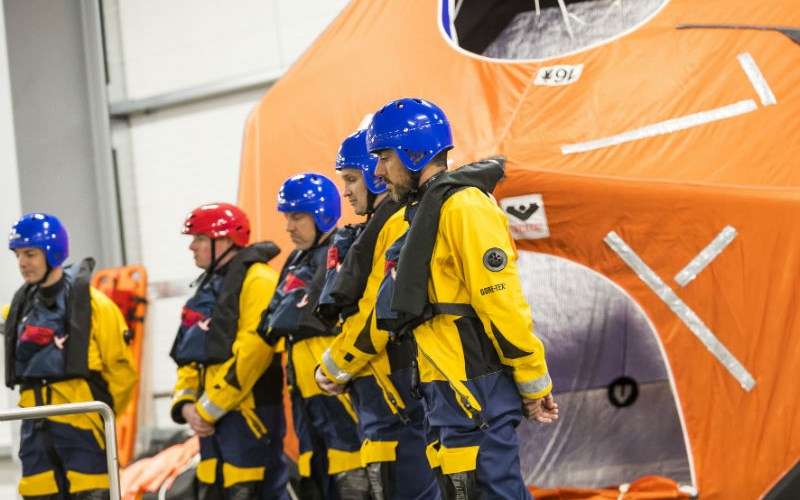
Some of these courses involve hands-on practical exercises, like jumping into a pool in a survival suit or extinguishing live fires. Others are theory-based, which means they can be completed entirely online, a huge advantage for people with busy schedules or limited access to training centers.
Getting certified online
For the theory-based modules, e-learning has become a popular route. You can enroll in an stcw course from home, study at your own pace on a laptop or phone, and take a multiple-choice assessment when you feel ready. Approved providers issue certificates that are recognized by flag state authorities such as the Netherlands, Liberia, the Bahamas, and Panama, so your qualification carries real weight with employers worldwide.
Once you pass, you typically receive a downloadable certificate right away, with the option of having a signed original mailed to you. It is worth keeping both digital and physical copies, as recruiters and crewing agencies will ask for them during the application process.
Why it matters for your career
Beyond being a legal requirement, holding a valid stcw certificate signals to employers that you take safety seriously and understand life on board. In a competitive job market, especially in yachting and cruising, complete and up-to-date paperwork often determines who gets called for an interview and who does not.
Keep in mind that most certificates are valid for five years, so set a reminder to refresh your training before it expires. Lapsed certification can mean missing out on a contract at the worst possible moment.
Learning never stops at sea, and STCW is where it all begins. Invest a few hours in your training now, and you will open the door to one of the most adventurous career paths out there: the open ocean.