

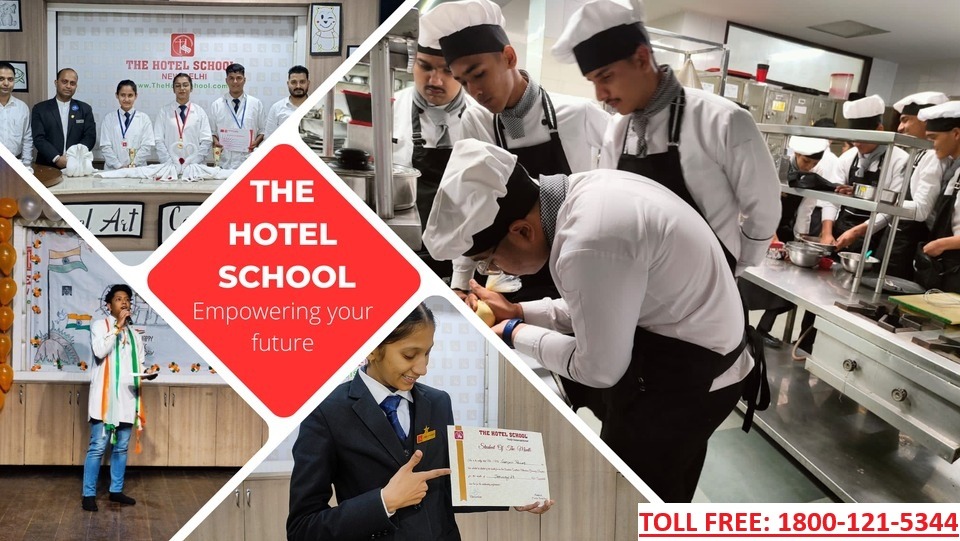
The hospitality industry is one of the fastest-growing sectors in India and across the globe, creating exciting career opportunities for students who enjoy interacting with people, managing operations, and delivering exceptional guest experiences. From luxury hotels and international resorts to airlines, cruise lines, event companies, and tourism organizations, the demand for professionally trained hospitality professionals continues to rise every year.
For students who aspire to build a successful career in this industry, enrolling in a Hotel Management Course in Delhi can be the first step toward achieving their goals. As the national capital and a major tourism and business hub, Delhi offers excellent exposure to premium hotels, international brands, hospitality events, and practical learning opportunities.
However, selecting the right institute is equally important. A good hotel management course should focus not only on classroom education but also on practical training, industry internships, personality development, communication skills, and placement assistance. These factors play a significant role in preparing students for real-world hospitality careers.
This guide explains everything students should know about choosing a Hotel Management Course in Delhi, including eligibility, career opportunities, course options, skills, internships, and tips for selecting the right institute.
Why Choose a Hotel Management Course in Delhi?
Delhi has become one of India’s leading education destinations for hospitality studies. With the presence of renowned hotel chains, international airports, convention centers, luxury restaurants, and tourism businesses, students receive excellent exposure to the hospitality ecosystem.
Some of the biggest advantages include:
- Direct exposure to five-star hotels and luxury hospitality brands
- Better internship opportunities
- Industry interactions with experienced professionals
- Practical learning through hotel visits and workshops
- Strong placement opportunities in India and abroad
- Networking with hospitality recruiters
Unlike many smaller cities, Delhi allows students to gain hands-on experience while pursuing their education, making them more industry-ready upon graduation.
Why the Hospitality Industry is Growing Rapidly
Hospitality is no longer limited to hotels. Today, trained professionals are required across multiple industries, including:
- Luxury Hotels
- Business Hotels
- Resorts
- Cruise Lines
- Airlines
- Airports
- Event Management Companies
- Restaurants
- Quick Service Restaurants
- Catering Companies
- Corporate Guest Relations
- Tourism Organizations
- Facility Management Companies
With increasing domestic and international tourism, India’s hospitality sector continues to expand, creating demand for skilled professionals in operations, culinary arts, food production, housekeeping, front office, and customer service.
Students completing a Hotel Management Course in Delhi can explore career opportunities both in India and internationally, depending on their specialization and experience.
Skills You Learn During a Hotel Management Course
A quality hospitality program focuses on developing technical knowledge along with professional skills required by employers.
Students generally learn:
Front Office Operations
- Guest Check-in & Check-out
- Reservation Systems
- Customer Service
- Communication Skills
- Hotel Software
Food & Beverage Service
Students understand:
- Restaurant Operations
- Fine Dining Service
- Banquet Management
- Beverage Service
- Guest Handling
Housekeeping Management
Housekeeping is one of the largest operational departments in hotels.
Topics include:
- Room Maintenance
- Hygiene Standards
- Linen Management
- Cleaning Procedures
- Hotel Safety Standards
Food Production & Culinary Skills
Students interested in becoming chefs gain practical knowledge in:
- Basic Cookery
- Continental Cuisine
- Indian Cuisine
- Bakery & Confectionery
- Kitchen Hygiene
- Food Safety
- Menu Planning
Those looking to specialize in culinary arts can also consider a dedicated Food Production Course, which provides focused practical training in professional kitchens.
Personality Development
Hospitality employers value personality as much as technical knowledge.
Most professional institutes include:
- Grooming Sessions
- Spoken English
- Interview Preparation
- Communication Skills
- Soft Skills
- Leadership
- Teamwork
Eligibility for a Hotel Management Course in Delhi
One of the biggest advantages of hospitality education is that students from almost every academic stream can apply.
Generally, students from:
- Science
- Commerce
- Arts
can pursue hotel management after completing Class 12.
Several institutes also offer diploma programs with flexible eligibility criteria for students looking to enter the industry quickly.
Before applying, students should always verify:
- Eligibility
- Course Duration
- Internship Opportunities
- Placement Support
- Industry Exposure
Diploma vs Degree in Hotel Management
Many students are confused about whether they should pursue a diploma or a degree.
The answer depends on individual career goals.
| Diploma | Degree |
| Shorter Duration | Longer Duration |
| Practical Skill Focus | Academic + Practical Learning |
| Faster Entry into Jobs | Better Long-Term Career Growth |
| Cost Effective | Higher Qualification |
| Excellent for Operational Roles | Better Management Opportunities |
Students looking for quick industry exposure often choose a Diploma in Hotel Management, while those planning long-term career growth or managerial roles generally prefer a bachelor’s degree.
If you’re exploring diploma options, you can read more about a Diploma in Hotel Management here:
Students aiming for leadership positions may consider pursuing a Degree in Hotel Management, which combines hospitality education with broader business and management concepts.
What Makes a Good Hotel Management Institute?
Choosing the right institute is often more important than simply choosing a course.
Before taking admission, students should evaluate factors such as:
Practical Training
Hospitality is a skill-based industry.
Institutes with modern training kitchens, restaurants, front office labs, and housekeeping labs provide much better practical exposure.
Experienced Faculty
Faculty members with real hotel industry experience help students understand practical challenges and workplace expectations.
Internship Opportunities
Industrial training plays a major role in hospitality education.
Students should look for institutes that provide internships with reputed hotels, allowing them to gain practical experience before graduation.
Placement Assistance
One of the strongest indicators of an institute’s quality is its placement record.
Students should review previous placement achievements, recruiter partnerships, internship opportunities, and alumni success stories before making a decision.
For example, prospective students can explore placement outcomes through the Placement Records published by The Hotel School:
Career Opportunities After a Hotel Management Course in Delhi
The hospitality industry offers a wide range of career opportunities beyond traditional hotel jobs. Students who complete a Hotel Management Course in Delhi develop practical skills, customer service expertise, and operational knowledge that are valued across multiple sectors.
Some of the most popular career paths include:
Hotels & Resorts
Luxury hotels continue to be one of the largest employers of hospitality graduates. Students may begin their careers in departments such as:
- Front Office
- Food & Beverage Service
- Food Production
- Housekeeping
- Guest Relations
- Sales & Marketing
- Revenue Management
With experience, professionals can progress to supervisory and managerial positions.
Cruise Line Careers
International cruise companies recruit hospitality professionals for roles in:
- Restaurant Service
- Culinary Operations
- Guest Services
- Housekeeping
- Bar Operations
Cruise careers often provide attractive salaries, international exposure, accommodation, meals, and opportunities to travel worldwide.
Airlines & Airport Hospitality
Many hospitality graduates also work in:
- Airport Lounges
- Airline Catering
- Passenger Services
- Customer Experience
- Ground Operations
Strong communication skills and professional grooming are valuable assets in these roles.
Restaurants & Food Chains
The rapid growth of India’s food service industry has created opportunities in:
- Fine Dining Restaurants
- Luxury Restaurants
- Café Chains
- Quick Service Restaurants
- Cloud Kitchens
Graduates with culinary expertise can also build careers as chefs or kitchen supervisors.
Event & Convention Management
Hospitality professionals are increasingly recruited for:
- Corporate Events
- Wedding Planning
- Luxury Banquets
- Conferences
- Exhibitions
Their expertise in guest management and operations makes them valuable members of event teams.
Entrepreneurship
Many graduates eventually establish their own businesses, including:
- Restaurants
- Cafés
- Catering Companies
- Cloud Kitchens
- Boutique Hotels
- Bakery Businesses
- Hospitality Consulting
A strong foundation in hospitality operations helps entrepreneurs manage customer service, food quality, and business processes effectively.
Importance of Industrial Training
One of the defining features of a quality Hotel Management Course in Delhi is industrial training.
Classroom learning provides theoretical knowledge, but internships help students understand:
- Guest interaction
- Hotel operations
- Team coordination
- Professional discipline
- Service standards
- Time management
- Problem-solving under pressure
Students who complete internships with reputed hotels often gain greater confidence and become more attractive to recruiters.
Essential Skills for Long-Term Success
The hospitality industry values attitude as much as technical knowledge. Students should continuously develop:
- Communication Skills
- Professional Grooming
- Leadership
- Time Management
- Customer Service
- Teamwork
- Adaptability
- Problem-Solving
- Digital Literacy
- Foreign Language Skills (an added advantage)
Employers consistently seek candidates who combine technical competence with excellent interpersonal skills.
Salary Expectations After Hotel Management
Salary depends on several factors, including:
- Qualification
- Internship Performance
- Employer
- Location
- Skills
- Communication
- Experience
Fresh graduates typically begin in operational roles and progress through experience and performance.
Professionals working with luxury hotels, international brands, cruise lines, and overseas employers often enjoy faster salary growth and broader career opportunities.
Rather than focusing solely on the starting salary, students should choose institutes that emphasize practical learning, internships, and placements, as these factors have a significant impact on long-term career progression.
How to Choose the Right Hotel Management Course in Delhi
Before taking admission, students should compare institutes carefully.
Consider the following checklist:
✔ Industry-oriented curriculum
✔ Practical training facilities
✔ Experienced faculty
✔ Internship opportunities
✔ Placement support
✔ Industry tie-ups
✔ Modern infrastructure
✔ Communication and personality development
✔ Alumni success
✔ Student reviews
Choosing an institute that provides a balanced combination of academics and practical exposure can significantly improve career outcomes.
Why Practical Learning Makes the Difference
Hospitality is a profession where practical experience matters.
Students who regularly participate in:
- Live kitchen sessions
- Restaurant service training
- Front Office simulations
- Guest handling exercises
- Hotel visits
- Industry workshops
- Mock interviews
often develop greater confidence before entering the workforce.
Institutes that integrate classroom education with real-world exposure are generally better equipped to prepare students for hospitality careers.
Frequently Asked Questions (FAQs)
- What is the eligibility for a Hotel Management Course in Delhi?
Most institutes accept students who have completed Class 12 from any recognized board. Eligibility criteria may vary depending on the course and institute.
- Is hotel management a good career option?
Yes. Hospitality offers opportunities in hotels, airlines, cruise lines, restaurants, tourism, event management, and many other service industries, making it a versatile career choice.
- What is the difference between a diploma and a degree in hotel management?
A diploma generally focuses on practical skills and can be completed in a shorter duration, while a degree offers broader academic knowledge along with practical training and may support long-term career advancement.
- Can Arts, Commerce, and Science students apply?
Yes. Students from all major academic streams are generally eligible, subject to the admission requirements of the chosen institute.
- Does hotel management include internships?
Most professional institutes include industrial training or internships as part of their curriculum to provide hands-on industry experience.
- Which skills are most important in hospitality?
Communication, customer service, teamwork, grooming, leadership, and problem-solving are among the most valued skills in the hospitality industry.
- What career options are available after hotel management?
Graduates can work in hotels, resorts, restaurants, cruise lines, airlines, airports, event companies, tourism organizations, and hospitality consulting.
- Why should students choose a Hotel Management Course in Delhi?
Delhi offers excellent exposure to luxury hotels, international hospitality brands, internship opportunities, and a vibrant hospitality industry, making it a preferred destination for hospitality education.
- How important are placements while choosing an institute?
Placement assistance is an important factor because it helps students transition from education to employment. Reviewing an institute’s placement history and recruiter network can provide useful insights.
- How can students select the right hotel management institute?
Students should evaluate faculty expertise, practical training, infrastructure, internships, industry partnerships, placement support, curriculum, and alumni success before making a decision.
Choosing the right Hotel Management Course in Delhi is an important step toward building a successful career in one of the world’s most dynamic service industries. While course curriculum and academic learning are essential, students should also prioritize practical exposure, industrial training, communication skills, and placement support.
Before taking admission, compare institutes carefully, interact with faculty, review placement records, and understand how much practical learning is included in the program. A well-rounded hospitality education can open doors to careers in hotels, resorts, cruise lines, airlines, restaurants, tourism, and entrepreneurship.
For students exploring professional hospitality education, institutions that combine industry-focused training, modern infrastructure, internships, and career guidance can provide a strong foundation for long-term success. The Hotel School, New Delhi, is one such institute that offers diploma, degree, and culinary programs with practical learning and placement support, making it a valuable option for students planning a career in hospitality.